
If you’ve recently been told you have Complex Regional Pain Syndrome (CRPS), or someone has suggested it might explain your symptoms, there’s a good chance you’ve already spent some time searching online. If so, you may have come away feeling frightened.
Category Archives: Pain
Recovery From Sciatica
Recovery from sciatica often involves gradual movement and rehabilitation exercises. This article outlines recovery expectations, types of exercises commonly used, and practical advice on pacing activity during recovery.
Can Osteopathy Help Sciatica?
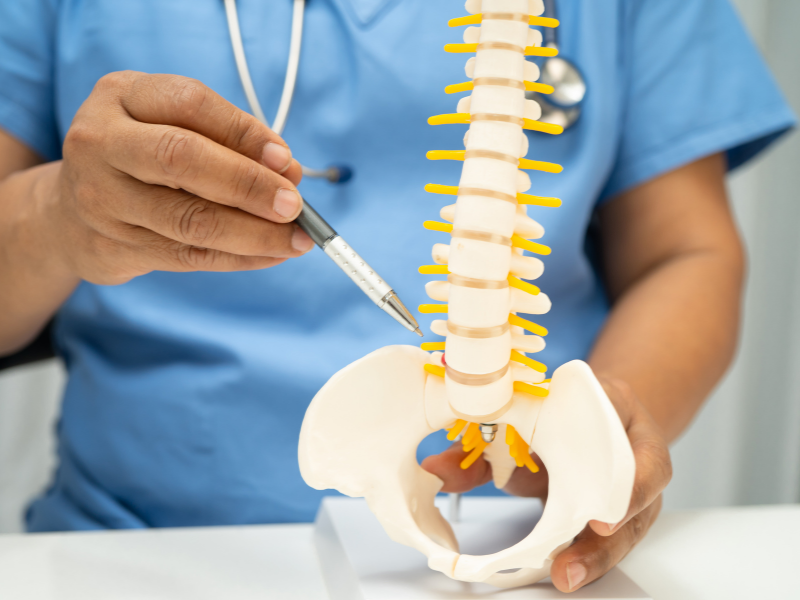
Sciatica can affect movement, posture, and daily activity. Osteopathic care aims to improve movement and reduce strain on irritated tissues. If you are unsure whether your symptoms might be sciatica, you may find it helpful to read What Is Sciatica?, which explains common causes and symptoms.
Osgood-Schlatter Disease: Knee Pain in Active Children and Teenagers

I see many teenagers with pain just below the knee. Often they arrive convinced they have injured something. Their parents are worried, coaches are asking questions, and an important match or competition is coming up.
Understanding Sciatica: Symptoms and Causes
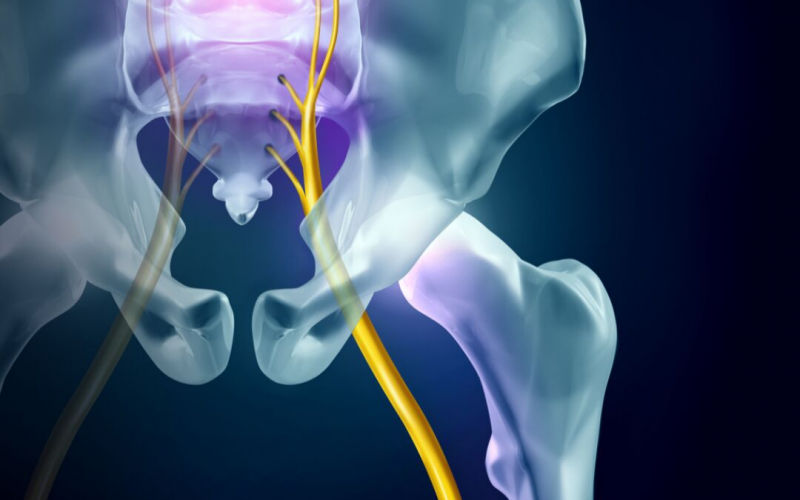
Sciatica causes pain that travels from the lower back down the leg. This article explains the symptoms, common causes, and when medical assessment may be needed.
Rediscover Your Voice

Most of us don’t pay much attention to our voice until something goes wrong. Your voice is more than just sound; it is a vital part of your identity and how you connect with others. Whether you are a professional speaker, teacher, or performer, or just gen pop being able to express yourself clearly is …
Subtle Signs Your Voice Is Under Strain
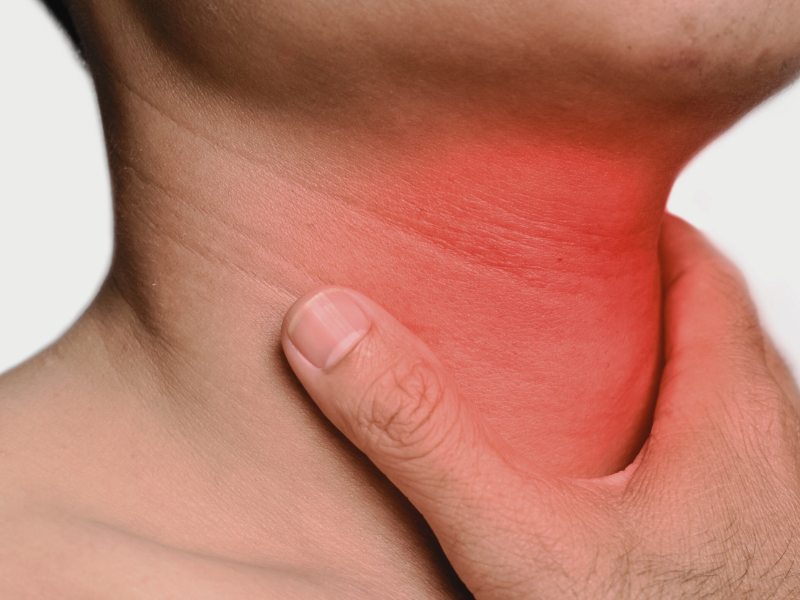
We often think of voice issues as affecting only performers, singers, or public speakers. But the truth is, problems like hoarseness or even complete voice loss can happen to anyone. Vocal strain often builds up gradually, and the early warning signs are easy to miss.
How the Nervous System Affects the Voice
The voice and the nervous system are often thought of as separate, but they are deeply connected. If you have ever felt your voice shake with anxiety or struggled to speak clearly under pressure, you have already experienced this connection.
Gout, explained
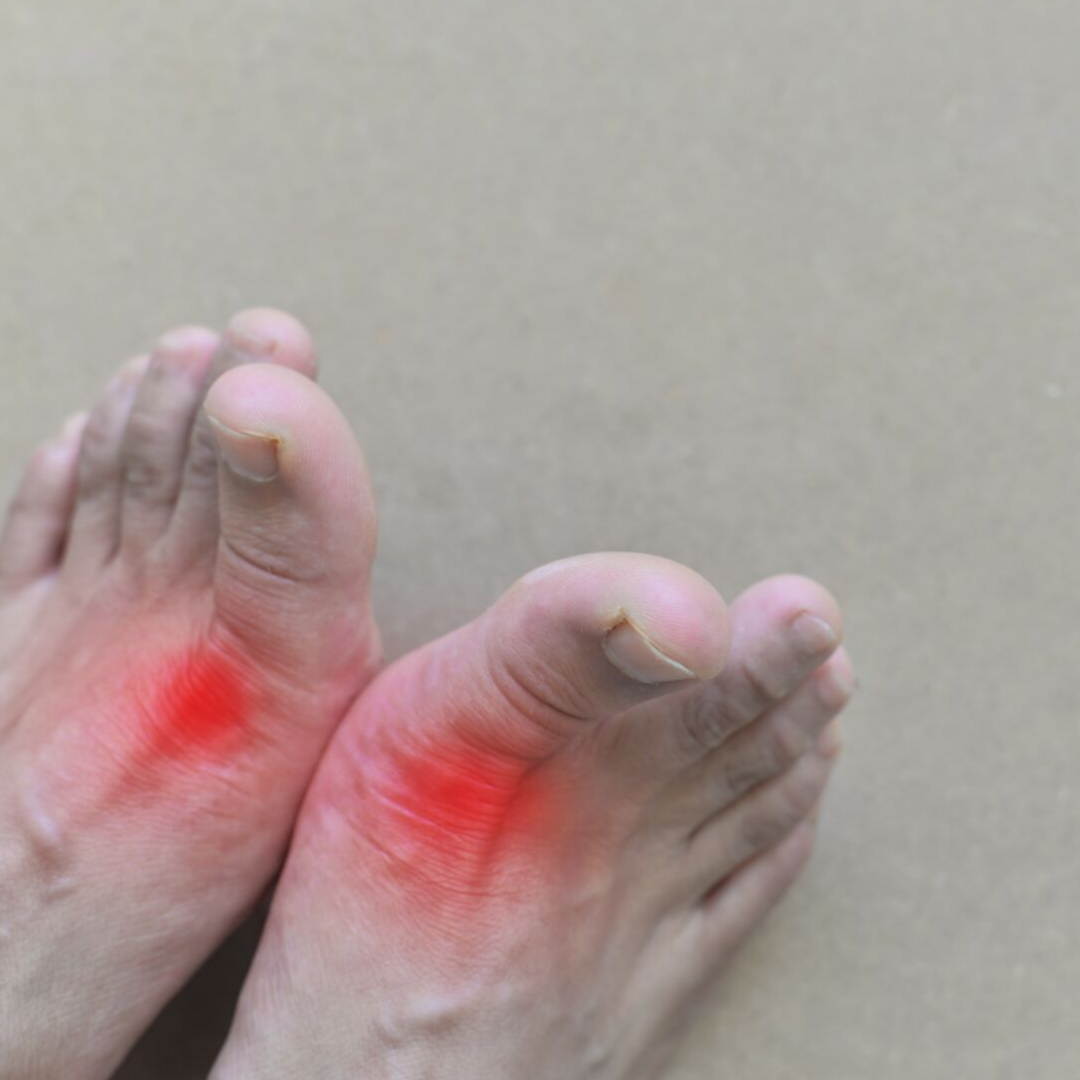
Gout is an excruciatingly painful condition caused when uric acid levels build up in the body. It’s a complex form of arthritis and the most common inflammatory arthritis. Approximately 2.5% of adults in the UK will get Gout, with men being more susceptible than women.
Coccyx pain explained

The tailbone, or coccyx, sits at the very bottom of your spine, just below the sacrum. It’s a small, triangular bone that looks like a tiny tail. The coccyx is made up of 3 to 5 small bones, called coccygeal vertebrae, which are held together by ligaments.