I see many teenagers with pain just below the knee. Often they arrive convinced they have injured something. Their parents are worried, coaches are asking questions, and an important match or competition is coming up.
One of the most common explanations is Osgood-Schlatter disease.
Even though it is called a disease, Osgood-Schlatter is not a disease or a serious injury as most people imagine. It was named after two surgeons, Robert Osgood and Carl Schlatter, who both described it in 1903 without knowing they were studying the same thing. Later, their names were combined to honour both of them.
Who Gets Osgood-Schlatter Disease?
Osgood-Schlatter disease is most commonly seen in children between the ages of 10 and 15, often during a growth spurt.
Not every case is exactly the same, but over time, you start to notice the signs. A young person grows quickly, stays active in sports, and then the knee starts to hurt.
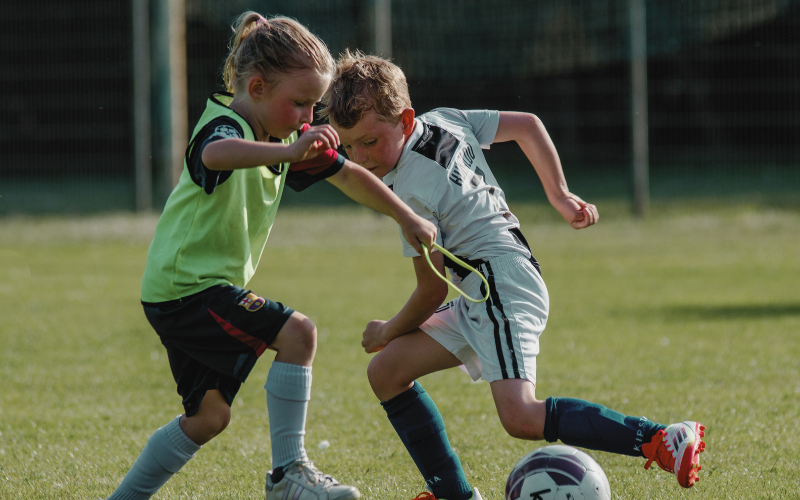
Footballers, gymnasts, dancers, martial artists, rugby players, and other athletes can all get it. The type of sport is less important than the fact that the knee is under repeated stress during a time of rapid growth.
Sometimes symptoms show up after more training or competition, but sometimes there is no clear reason. Rapid growth, lots of activity, and not enough recovery time can all play a part, but there is rarely just one cause.
Signs and Symptoms
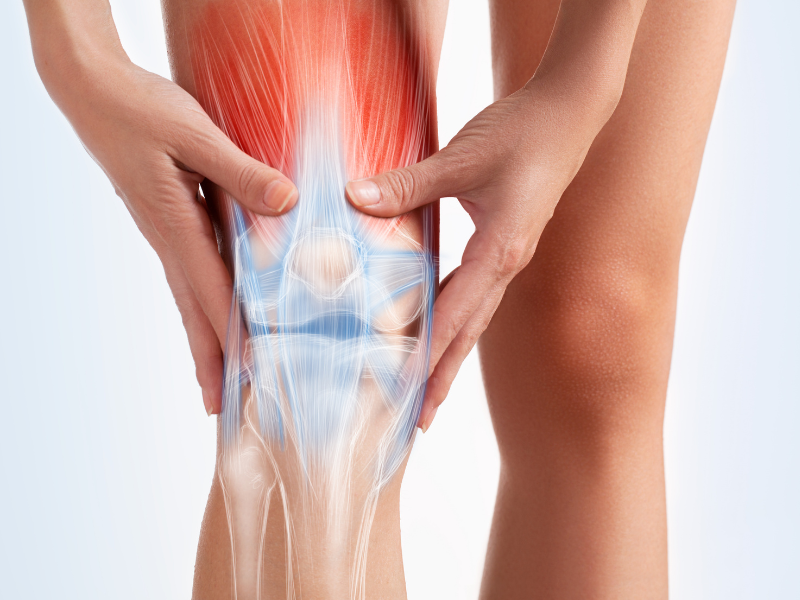
Most of the time, young people can point directly to the painful area with one finger. The discomfort is usually felt over the bony bump just below the kneecap, where the patellar tendon attaches to the shinbone.
Common symptoms include:
- Pain below the kneecap during or after activity
- Tenderness when pressing on the area
- A visible or palpable lump below the knee
- Pain when running, jumping, squatting or kneeling
- Symptoms that improve with rest and return with activity
Parents often spot the lump before asking for advice. It can look worrying, especially when compared to the other knee, but it is usually a normal part of the condition and not a sign of something serious.
In fact, the lump is often what worries parents the most, but it is usually the least important part of the problem.
Why Does It Happen?
Osgood-Schlatter disease affects the point where the patellar tendon attaches to the shinbone, just below the kneecap.
This area is still developing during adolescence and can become irritated by the repeated stresses of running, jumping, sprinting and kicking.
Sometimes symptoms start during a growth spurt, and sometimes they show up during a busy training period. Often, there is no single reason. The knee is just having trouble keeping up with what is being asked of it at the time.
Managing Symptoms and Staying Active
One of the biggest misconceptions is that young people must stop all sport until the pain disappears.
I often talk to parents who have been told their child should stop all activity right away. Sometimes this is needed for a short time, but more often we try to find ways to keep them active while their symptoms improve.
I often notice that the pain does not bother the young person as much as it worries the adults. Parents worry about injury, coaches worry about missed training, and the teenager usually just wants to know if they can play in the next match, competition, or performance.
Total rest is rarely the best solution. The key is to find the right balance between activity and recovery. This might mean cutting back on training for a few weeks, changing activities that cause pain, building strength, or just allowing more recovery time between sessions.
How Osteopathy and Pilates Can Help
The first job is to make sure we are dealing with Osgood-Schlatter disease and not something else. There are several possible causes of knee pain in children and teenagers, so a careful assessment is important.
The story is often just as important as the physical exam. When did the pain start? What changed? Has training increased? Was there a growth spurt? I have seen many teenagers trying to fit school sports, club training, strength sessions, and weekend games into a single week. It can cause some of the tension and stiffness that often develop around the knee, but, just as importantly, it provides an opportunity to understand what is happening and decide how best to manage it. For many families, a clear explanation is as valuable as any hands-on treatment.
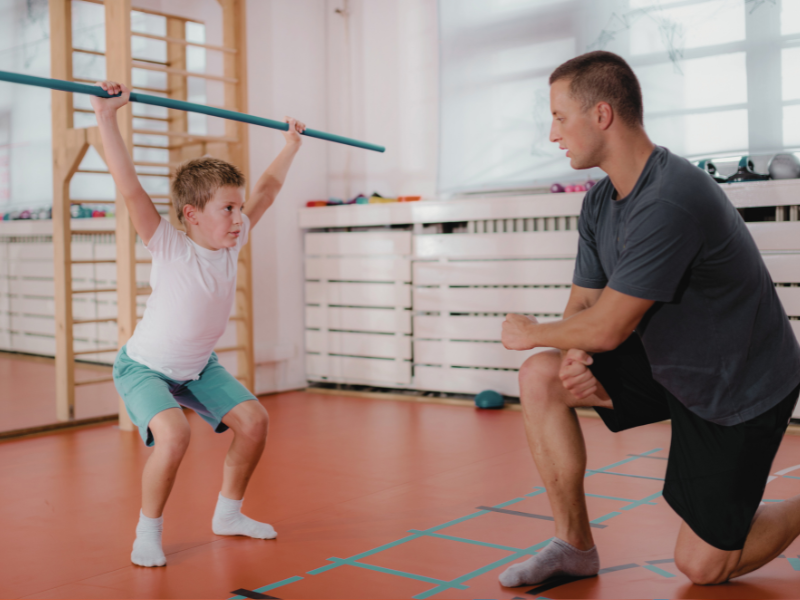
Pilates can be especially helpful during growth spurts, when coordination and body awareness can change quickly. Many parents notice a phase when their child suddenly seems less coordinated than they were just a few months earlier.
Building strength, balance, and control can help young people handle the demands of sports and daily activities more easily.
When Should You Seek Professional Advice?
Osgood-Schlatter disease is common, but that does not mean every case of knee pain in a young person should be assumed to be this condition
It is worth getting the knee checked if:
- The pain is becoming progressively worse
- Everyday activities are starting to be affected
- The knee is swollen, unusually stiff, or feels different from what you would expect
- Sport and physical activity are being avoided because of pain
- Symptoms are affecting confidence, mood or general wellbeing
An assessment often gives reassurance as much as anything else. It can confirm the diagnosis, rule out other causes, and offer a clear plan for staying active while symptoms improve.
Looking Ahead
Most young people eventually outgrow Osgood-Schlatter disease. It can be frustrating for a while, but it rarely turns into a long-term problem. The bumpy bone often remains even after symptoms have settled. In most cases, it causes no difficulties and becomes little more than ‘one of the kisses of time’, a reminder of an active adolescence.