
If you’ve recently been told you have Complex Regional Pain Syndrome (CRPS), or someone has suggested it might explain your symptoms, there’s a good chance you’ve already spent some time searching online. If so, you may have come away feeling frightened.
Category Archives: Osteopathy
Recovery From Sciatica
Recovery from sciatica often involves gradual movement and rehabilitation exercises. This article outlines recovery expectations, types of exercises commonly used, and practical advice on pacing activity during recovery.
Can Osteopathy Help Sciatica?
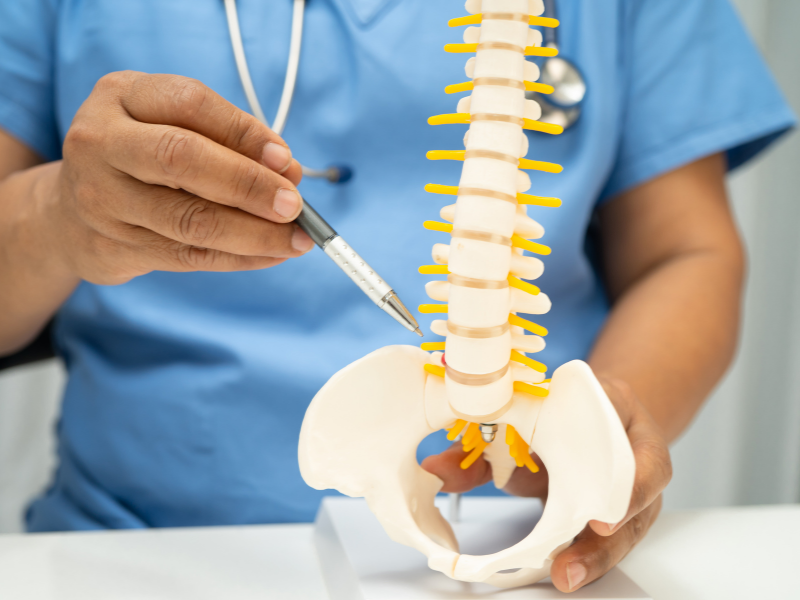
Sciatica can affect movement, posture, and daily activity. Osteopathic care aims to improve movement and reduce strain on irritated tissues. If you are unsure whether your symptoms might be sciatica, you may find it helpful to read What Is Sciatica?, which explains common causes and symptoms.
Understanding Sciatica: Symptoms and Causes
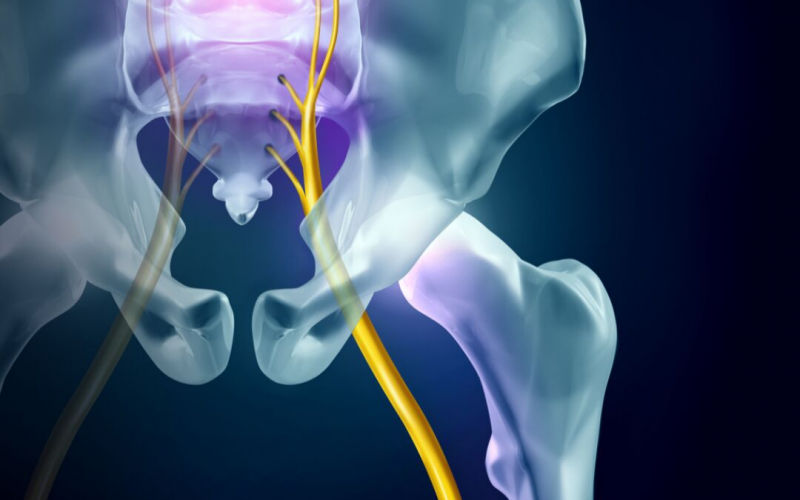
Sciatica causes pain that travels from the lower back down the leg. This article explains the symptoms, common causes, and when medical assessment may be needed.
That Swelling Behind Your Knee: Could It Be a Baker’s Cyst?
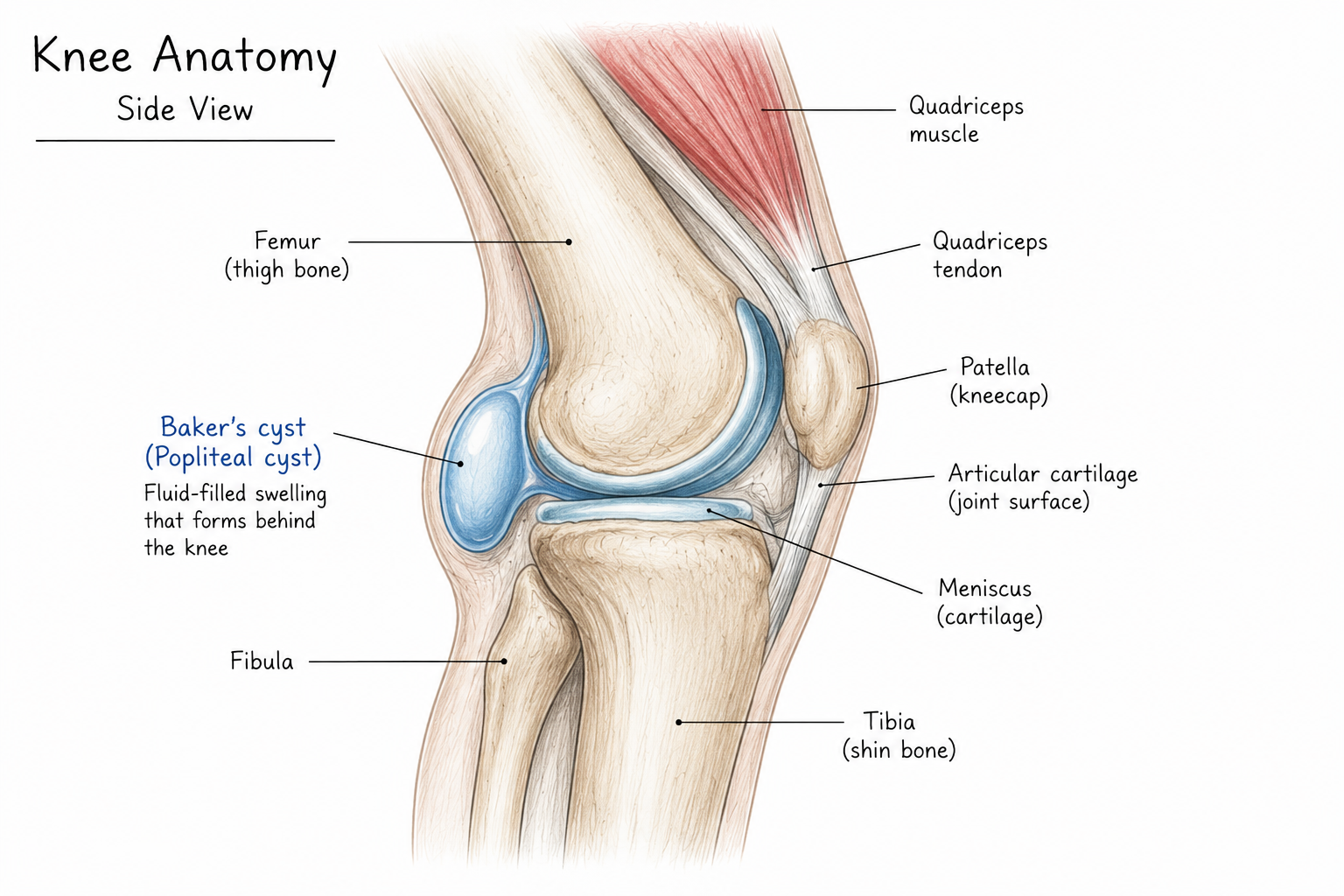
Have you noticed a swelling behind your knee that wasn’t there before? A Baker’s cyst, sometimes called a popliteal cyst, is one possible explanation.
Sleep positions for pain-free z-z-z-z’s

As an osteopath, it’s routine to be talking with patients about sleep, especially if discomfort or pain is making it difficult to get to sleep. Any joint-related problem or health concern can be a factor that influences our choice of sleep position. The question that comes up most often is what position is best?
Back Pain: Debunking Misconceptions and Myths

Back pain is common; 80% of people worldwide will experience at least one episode. It’s an often invisible condition that can affect anyone from *children to the elderly, but worldwide, only around 1% of cases are because of something sinister such as a tumour.
Touch, the silent language of compassion, communication, and connection.

Welcome to 2019! I wanted the first entry of this new year to be about something significant, meaningful and potentially life-changing, so let’s talk about the benefits of touch. Touch is our first sense to develop and the first language we learn; while in the womb, foetuses touch their face to learn about themselves. As …
Continue reading “Touch, the silent language of compassion, communication, and connection.”
The Vagus Nerve, and your health
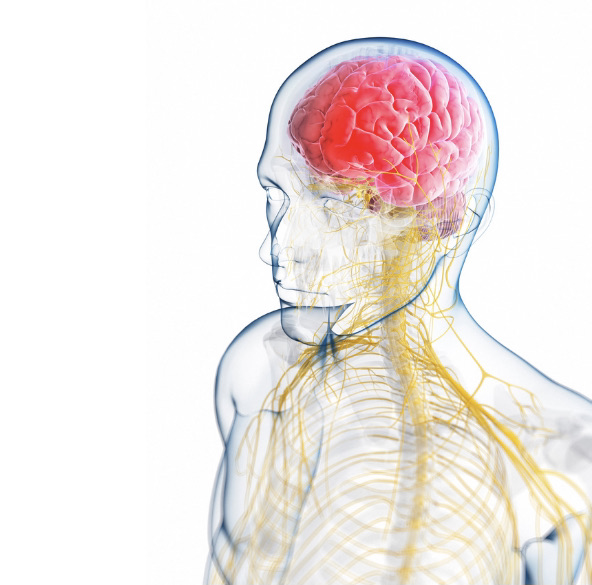
Like a super spy, the vagus nerve wanders around the body, reporting back to the brain subconsciously (secretly) with constant updates on what’s going on in our body. It is part of our protective stress response, noticing facial expressions, responding to people’s voices and monitoring our internal organs.