If you’ve recently been told you have Complex Regional Pain Syndrome (CRPS), or someone has suggested it might explain your symptoms, there’s a good chance you’ve already spent some time searching online.
If so, you may have come away feeling frightened.
Stories of severe pain, disability, failed treatments and lives turned upside down can be hard to ignore. Those experiences are real, and they deserve to be heard. But they are not the whole picture.
I’ve worked with people living with CRPS for many years. I’ve also had it twice. That experience sits behind everything I’ve written here. Looking back, my recovery had less to do with finding the right treatment and more to do with understanding why my nervous system had become so protective in the first place. That shift in understanding changed the direction of my recovery.
What is CRPS?
CRPS is a chronic pain condition that usually develops after an injury, surgery, or period of immobilisation. It causes pain that is disproportionate to, and outlasts, the original cause. It most commonly affects a limb. It can develop in anyone, at any age, though published studies report higher rates in females. Many specialists believe it is more common than the numbers suggest, partly because it can be difficult to recognise.
Researchers are still working to understand exactly why some people develop CRPS while others recover normally from similar injuries. Current evidence suggests that a combination of changes within the nervous and immune systems, and in blood flow regulation, may be involved.
When Pain Outstays Its Welcome
Most of us assume pain is a measure of damage. A small injury equals a little pain, a big injury equals a lot of pain. The problem is that pain doesn’t actually work like that.
Pain is not simply a signal travelling from an injured body part to the brain. It is a protective response generated by the nervous system. Touch something hot and your hand moves before you’ve had time to think. Sprain an ankle and pain encourages you to rest while healing takes place. Pain isn’t trying to ruin your day. It’s trying to protect you.
CRPS appears to be one of the situations where that system becomes overprotective. The original injury heals, but the alarm struggles to switch itself off.
Symptoms and Diagnosis
What makes CRPS distinctive is that symptoms often appear disproportionate to the original injury. They may include severe burning pain, swelling, changes in skin colour and temperature, sensitivity to touch or movement, stiffness, weakness, tremor, and changes in sweating, hair and nail growth. Some people cannot tolerate clothing or a light breeze on the affected area. Some describe the limb as feeling alien, or no longer belonging to them.
There are no blood tests or scans that confirm CRPS. Diagnosis is clinical, based on a recognised pattern of symptoms called the Budapest Criteria. Early recognition matters. The sooner it is identified, the better the chances of a good outcome.
Many people with CRPS describe feeling misunderstood or disbelieved, particularly when tests fail to explain the severity of their symptoms. That experience can be isolating, and can add to the distress they are already carrying.
The Smoke Alarm
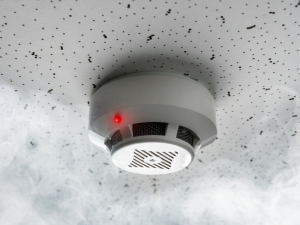
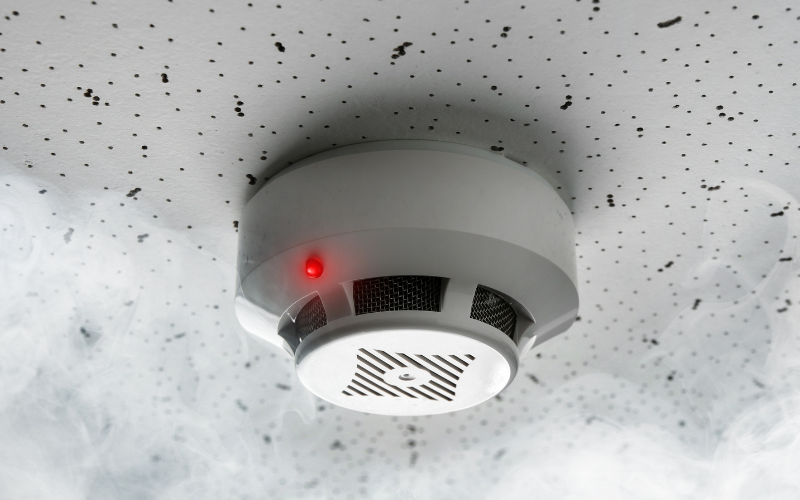
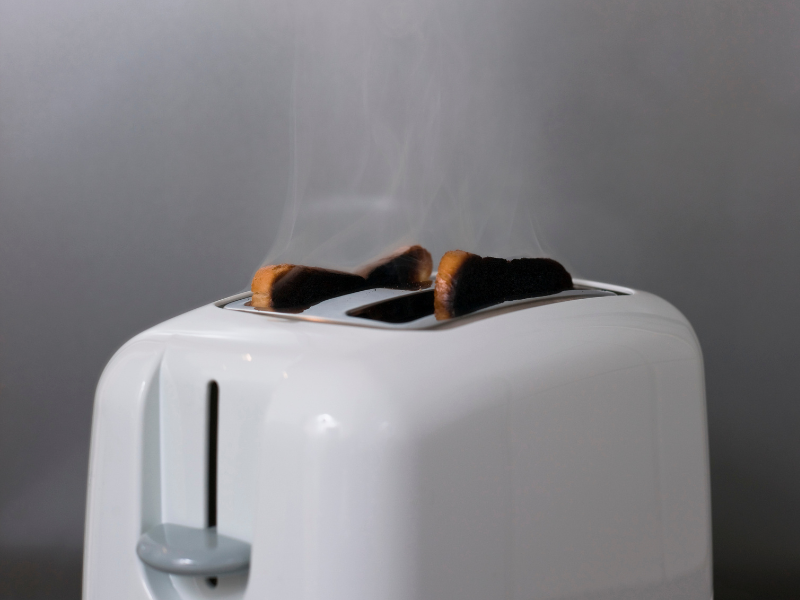
When I explain CRPS to patients, I compare it to a smoke alarm that goes off every time you make toast. Nothing is wrong with the batteries. Nothing is wrong with the wiring. The problem is that it has become too sensitive.
This does not mean the pain is imaginary. The pain is real, the distress is real, and the limitations are real. But pain makes movement feel threatening; activities are avoided; confidence drops; and the nervous system reads all of this as evidence that danger is still present. The cycle is self-reinforcing. Breaking it requires the nervous system to get a different message.
So What Helps?
There are no guaranteed solutions. Be cautious of anyone who suggests otherwise.
Some people find medication helpful. Others benefit from hands-on treatment, psychological support, or input from a specialist pain team. Sleep matters. Stress matters. Staying connected to normal life, where possible, matters.
Gentle, gradually increasing movement is usually an important part of recovery. The goal is not to push through pain, but to help the nervous system rebuild confidence in normal movement. Some people benefit from mirror therapy, graded motor imagery, or sensory retraining, techniques designed to help the nervous system become less sensitive and more confident in the affected area.
Recovery is rarely a straight line. Flare-ups happen. They do not necessarily mean damage has occurred, or progress has been lost.
What About Children?
Children and teenagers generally do better than adults. Young people tend to recover more fully and more quickly, particularly when the condition is recognised early, and they are supported to stay engaged with school, friendships, and normal life wherever possible.
Where This Leaves You
This is usually the point where people want a clearer answer than CRPS typically offers.
Getting better looks different for everyone. For some, symptoms resolve completely. For others, recovery means getting back to the things that matter, even if some pain remains. The stories that dominate online are often those of people still struggling. People who recover frequently stop talking about CRPS because it is no longer a major part of their lives.
Improvement is possible, and often more than people expect at diagnosis.
Understanding what CRPS is does not make the symptoms disappear overnight. But it can change how you respond to them, and that can be an important first step.
Pain is not always a measure of damage. Sometimes it is a measure of protection.

When to Seek Help
If you have developed persistent pain, swelling, temperature changes, or unusual sensitivity following an injury or surgery, seek assessment from a qualified healthcare professional. An osteopath, physiotherapist, or specialist pain clinician can assess your symptoms and help coordinate appropriate care. Early recognition can make a significant difference.