

Medical screening is one of the simplest and most effective ways to care for your health. It works because most serious conditions develop quietly, without obvious signs, and are far easier to treat when caught early.
Getting a diagnosis rarely starts with a test result. It starts with noticing something has changed, asking a question, and piecing that together with your history. You are part of that process. Attending recommended screenings, keeping track of your health, and speaking up when something feels wrong all matter.
Many NHS screening programmes send automatic invitations, but some require you to take the initiative. The NHS App can help you check which screenings you may be eligible for. If you think you are overdue or at higher risk, don’t wait to be invited. Speak with your GP or practice nurse.
Cervical Screening
Cervical screening is offered to women and anyone with a cervix aged 25 to 64. Frequency depends on age and previous results. It identifies cell changes that could develop into cervical cancer if left untreated. Despite its effectiveness, attendance remains lower than it should be.
Breast Screening
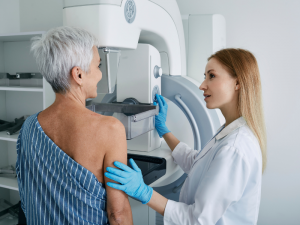
The NHS Breast Screening Programme invites women from age 50 until their 71st birthday for mammograms every three years.
Around 56,000 women in the UK are diagnosed with breast cancer each year. Most cases occur in women over 50, but it can affect younger women too. Mammograms are less effective in younger women and in denser breast tissue and are not routinely offered under 50 unless specific risk factors are present. For younger women, breast awareness matters.
Know what to look for:
- A new lump or thickening in the breast or armpit
- Changes in breast shape or size
- Skin dimpling or puckering
- Changes to the nipple, including inversion
- Unusual nipple discharge
- Persistent breast or armpit swelling
If you notice any changes, or have concerns about your family history, speak with your GP. Men can develop breast cancer too. Around 400 men are diagnosed in the UK each year, and the same advice applies.
Bowel Screening
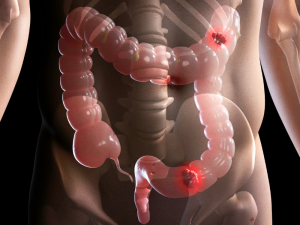
If you are aged 50 to 74 in England, you will be invited every two years to complete a simple home stool test. It is quick, painless, and can detect hidden signs of bowel cancer before symptoms develop.
Bone Health, DEXA Scans, and Vitamin D
Osteoporosis causes a gradual reduction in bone density and strength, making bones more fragile and increasing the risk of fractures from relatively minor falls or everyday activities. It often develops without symptoms until a fracture occurs.
A DEXA scan measures bone density and can identify osteopenia, which may precede osteoporosis. Detecting reduced bone density early allows for lifestyle changes and, where appropriate, treatment to reduce future fracture risk.
DEXA scans are not routinely offered to everyone but may be recommended if you:
- Are a woman over 65
- Have had a fracture after age 50
- Use long-term steroids
- Have a low BMI
- Went through an early menopause without hormone replacement therapy
- Have a family history of osteoporosis.
- Have rheumatoid arthritis or coeliac disease.
- Have a history of an eating disorder.
- Are a man over 70 with fractures, low testosterone, or who has received hormonal treatment for prostate cancer
Vitamin D plays an important role in bone health, muscle function, and immune health. Deficiency is common in the UK. Your GP may recommend testing if you have bone pain, muscle weakness, or other risk factors.
If you have moved practices or seen different clinicians over the years, make sure your current GP has a full picture of your relevant medical and family history.

Prostate Health and PSA Testing
The NHS does not currently offer routine prostate cancer screening. If you are over 50, or have a family history of prostate cancer, it is worth discussing a PSA blood test with your GP.
Higher-risk groups include:
- Men of African or Caribbean heritage
- Men whose father or brother was diagnosed before age 60
- Men with multiple family members affected by prostate cancer or related cancers
PSA testing has limitations. A raised level does not necessarily mean cancer. It can also be caused by infection, inflammation, or an enlarged prostate. Some prostate cancers do not cause PSA levels to rise at all. For this reason, it is worth discussing the potential benefits and limitations with your GP before deciding whether to proceed.
Many men avoid seeking help because of embarrassment or anxiety. The first step is usually a blood test. If a physical examination is needed, it is generally quick and straightforward.

Other Health Checks Worth Knowing About
NHS Health Check (Ages 40 to 74)
Usually offered every five years. Assesses blood pressure, cholesterol, weight, and diabetes risk to identify cardiovascular disease early.
Blood Pressure
Regular checks from age 40 can detect hypertension, a major risk factor for stroke, heart disease, and kidney disease. It often causes no symptoms.
Cholesterol
Often checked as part of the NHS Health Check or earlier if risk factors are present.
Diabetes
Simple blood tests can identify type 2 diabetes, which frequently develops without obvious symptoms.
Alcohol
Brief questionnaires can help identify harmful patterns before more serious consequences develop.
Mental Health and Wellbeing
GPs increasingly consider wellbeing, mood, stress, sleep, and emotional health as part of routine care. These are worth raising if something has shifted.
Cognitive Health
If you or your family notice changes in memory, thinking, language, or day-to-day functioning, speak with your GP. Early assessment helps identify possible causes and opens the door to support and treatment where appropriate.
Final Thought
Screening finds problems before you feel them. That is its value. It is not a guarantee, and it does not replace paying attention between appointments. If something changes, if something persists, if something doesn’t feel right, trust that instinct. Most concerns turn out not to be serious. The ones that are serious are usually treated more effectively when caught early.