Most of us were never really taught to pay attention to our periods. We were taught to manage them, work around them, and, if necessary, put up with them. For many women, that’s still the default.
It shouldn’t be.
The American College of Obstetricians and Gynaecologists (ACOG) considers the menstrual cycle to be the fifth vital sign, placing it alongside blood pressure, pulse, breathing rate, and body temperature as a meaningful indicator of health. That’s a significant statement. It means that what happens every month is not just a reproductive event. It’s a window into how your body is functioning overall.
Although this article uses the term women for readability, the information applies to anyone who menstruates.
What Counts as Normal?
Most women have their first period between the ages of 11 and 14. From there, depending on health, hormonal contraception, pregnancy, breastfeeding, and other factors, periods continue until menopause.
What counts as normal varies considerably from person to person. Cycle length, duration, flow, and associated symptoms all differ. The challenge is that without knowing what’s normal for you, it’s difficult to recognise when something changes.
Pain is a good example. Some degree of period pain is common. However, pain that is severe, worsening, requires regular medication, or interferes with daily life should not be dismissed as something you simply have to put up with.
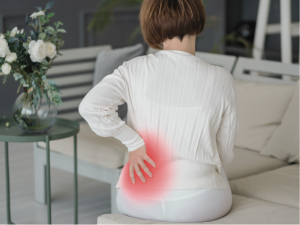
The same applies to heavy bleeding, significant fatigue, severe bloating, pelvic pain, back pain, leg pain, or symptoms that disrupt work, education, exercise, relationships, or sleep.
When was the last time a healthcare professional asked about your menstrual cycle as part of a general assessment? Outside of a gynaecology appointment, many people would struggle to remember.

Why Menstrual Health Matters
Menstrual health is about much more than periods alone.
Your menstrual cycle is influenced by many aspects of health, including:
- Stress
- Sleep
- Nutrition
- Exercise
- Hormonal changes
- Medical conditions
- Certain medications
Changes in your cycle can sometimes be an early indication that something else is going on.
Understanding your normal pattern helps you spot changes sooner and provides useful information if you need medical advice.
Why Tracking Matters
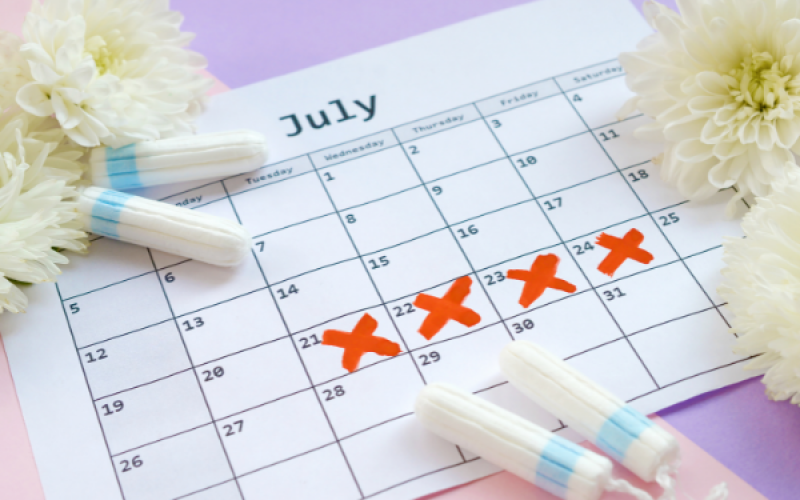
Getting into the habit of tracking your cycle is one of the simplest things you can do for your health.
Most of us know more about the battery life on our phones than we do about the patterns of our own health.
You don’t need anything complicated. A notebook, calendar, diary, or one of the many free apps available can all work well. What matters is consistency.
Over time, patterns begin to emerge. You become familiar with what is normal for you, making it easier to recognise when something changes.
Things Worth Tracking
- The start and end date of each period
- Whether your cycles are becoming longer or shorter
- How heavy or light your flow is
- Pain levels and where the pain occurs
- Mood changes
- Energy levels
- Appetite changes
- Sleep quality
- Headaches
- Back, pelvic, leg, or joint pain
- Bloating
- Changes in bowel habits, including constipation or loose stools
The aim isn’t perfection. It’s simply to build a picture of your normal.

When Should You Seek Advice?
Speak with your GP or healthcare professional if you notice:
- Significant changes in your cycle
- Very heavy bleeding
- Bleeding between periods
- Bleeding after sex
- New or worsening pelvic pain
- Symptoms that interfere with work, education, exercise, or daily life
- Irregular periods that are new or concerning
- Any symptom that doesn’t feel right for you
Most changes are not caused by anything serious, but they are worth understanding.
Where Osteopathy Fits In
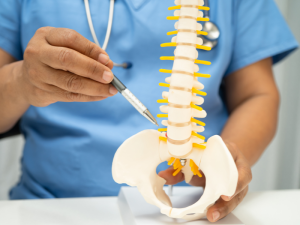
Period-related symptoms are not always purely gynaecological. Pain around the lower back, pelvis, hips, and legs can have a musculoskeletal component, particularly if symptoms are aggravated by movement, posture, activity levels, or existing joint and muscle issues.
Osteopathic treatment looks at the whole picture. How the pelvis moves, how the lower back functions, muscle tension, movement habits, and physical loading patterns can all influence comfort and movement throughout the menstrual cycle.
Addressing these factors may help reduce associated musculoskeletal symptoms and improve comfort during different stages of the cycle.
If you’ve been putting up with recurring back, pelvic, or hip pain around your period and haven’t found a clear explanation, an assessment at Osteopathy in Dulwich can help identify whether there is a musculoskeletal component to your symptoms and what can be done about it.
One last thing
Learning how your body works is one of the most useful things you can do for your long-term health.
Your menstrual cycle is part of that story. It provides information about your health, your hormones, and how your body responds to the demands placed upon it. Becoming familiar with your own patterns, paying attention to changes, and seeking advice when something doesn’t seem right can provide valuable information throughout your reproductive years.
Knowing what is normal for you is often the first step towards recognising when something has changed.
If you have questions about period-related pain, changes in your cycle, or whether osteopathy may help with associated musculoskeletal symptoms, get in touch.