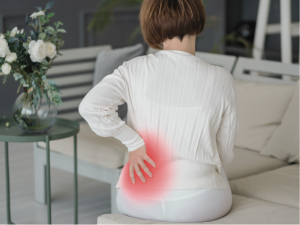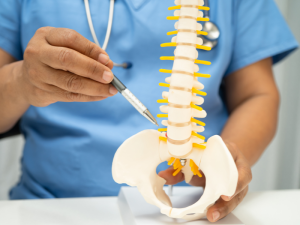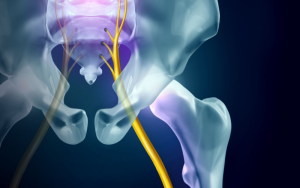
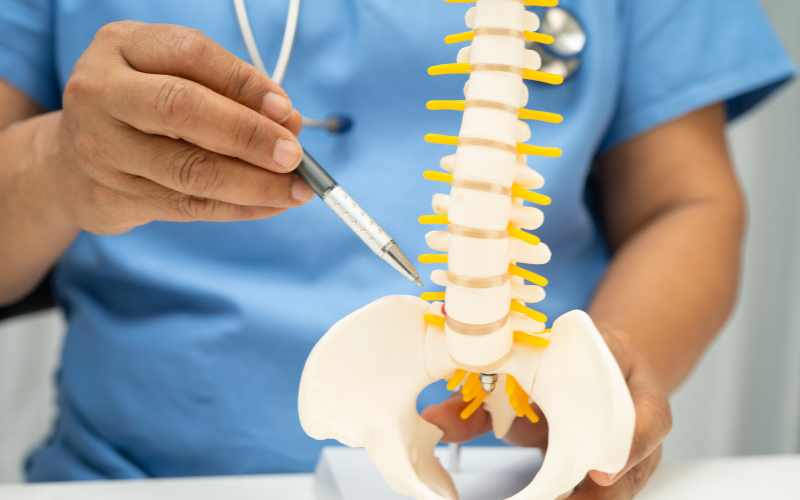
Sciatica can affect movement, posture, and daily activity. Osteopathic care aims to improve movement and reduce strain on irritated tissues.
If you are unsure whether your symptoms might be sciatica, you may find it helpful to read What Is Sciatica?, which explains common causes and symptoms.
 Assessment
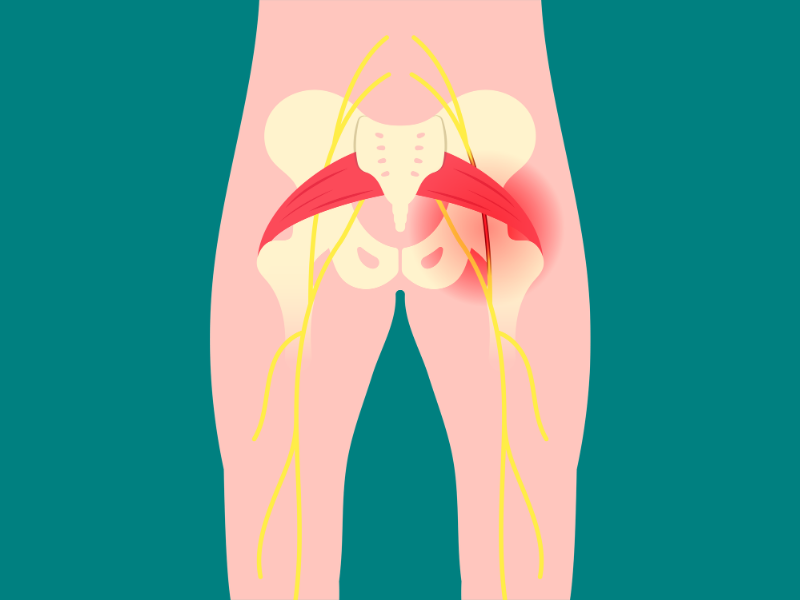
An osteopath will usually begin by taking a detailed history and assessing how the back, hips, and legs move.
This may include:
• movement assessment
• muscle strength testing
• checking reflexes and sensation
The aim is to determine whether symptoms are consistent with nerve irritation and whether conservative care is appropriate.
Treatment approaches
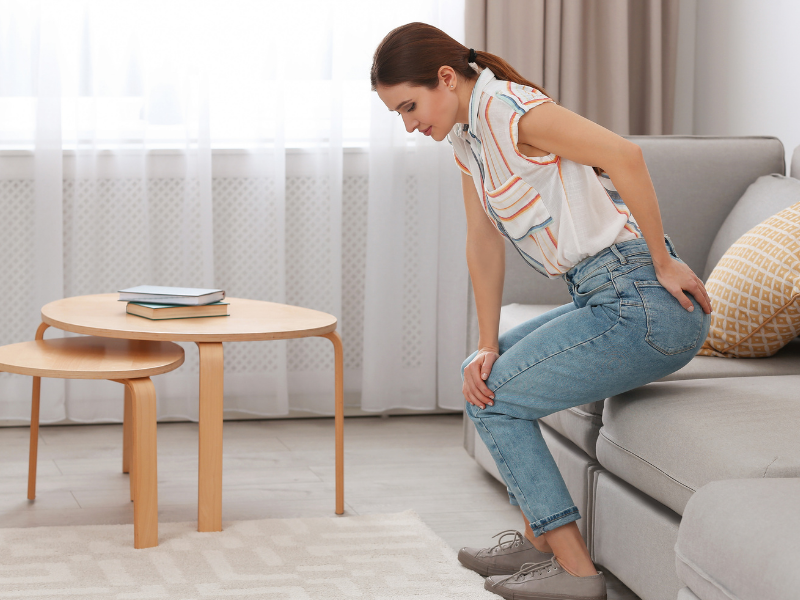
Treatment varies depending on the underlying cause and individual presentation.
Approaches may include:
• gentle spinal mobilisation
• reducing muscle spasm
• improving joint movement
• rehabilitation exercises
Management of low back pain and sciatica often involves a combination of manual therapy, exercise, and self-management strategies, as recommended by the National Institute for Health and Care Excellence.
When to seek urgent help
Sciatica itself is not usually a medical emergency. However urgent medical assessment is needed if someone develops:
• loss of bowel or bladder control
• numbness around the saddle area
• progressive leg weakness
These symptoms may indicate Cauda Equina Syndrome, a rare but serious condition that requires urgent medical assessment.
Related articles
For practical advice on exercises and recovery, see: Recovery From Sciatica
Please note
This information is intended as general guidance and should not replace medical advice, diagnosis, or treatment provided in person by an appropriately trained healthcare professional