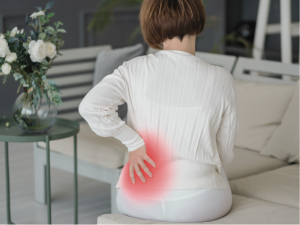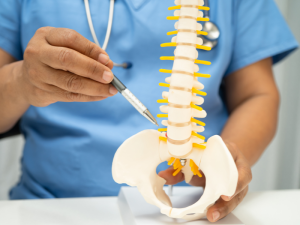

Most back pain settles within a few weeks. However, some symptoms can point to a more serious problem. These are the warning signs clinicians look for.
Most Back Pain Is Not Serious
Back pain is extremely common. In most cases, it is described as non-specific back pain, meaning there is no serious underlying disease causing the symptoms.
People often improve with time, sensible activity and appropriate pain relief. Some choose to see an osteopath, physiotherapist, or another movement specialist to help manage symptoms.
If you are worried about your back or the pain is difficult to manage, it is always reasonable to seek medical advice.
Red Flag Symptoms
In healthcare, red flags are symptoms that may indicate a more serious underlying condition. They are uncommon, but they should not be ignored.
You should seek medical advice if back pain occurs with:
- numbness around the buttocks, genitals or inner thighs
- difficulty passing urineloss of bladder or bowel control
- increasing weakness or numbness in the legs
- severe pain that continues to worsen
- fever or feeling generally unwell
- unexplained weight lossback pain following a significant fall or accident
- a history of cancer
- long-term corticosteroid use
- conditions affecting the immune system
Cauda Equina Syndrome
One condition clinicians are particularly careful not to miss is Cauda Equina Syndrome.
This occurs when the bundle of nerves at the base of the spine becomes compressed. These nerves control sensation in the saddle area and help regulate bladder and bowel function.
Symptoms that raise concern include:
- numbness in the saddle area
- difficulty starting urination
- loss of bladder or bowel control
- reduced sensation when wiping after using the toilet
- weakness in the leg
- severe back pain with sciatica
The condition is rare, but it is treated as a medical emergency because nerve damage can become permanent if pressure is not relieved.
Guidance on recognising these symptoms is provided by the National Health Service and the National Institute for Health and Care Excellence.
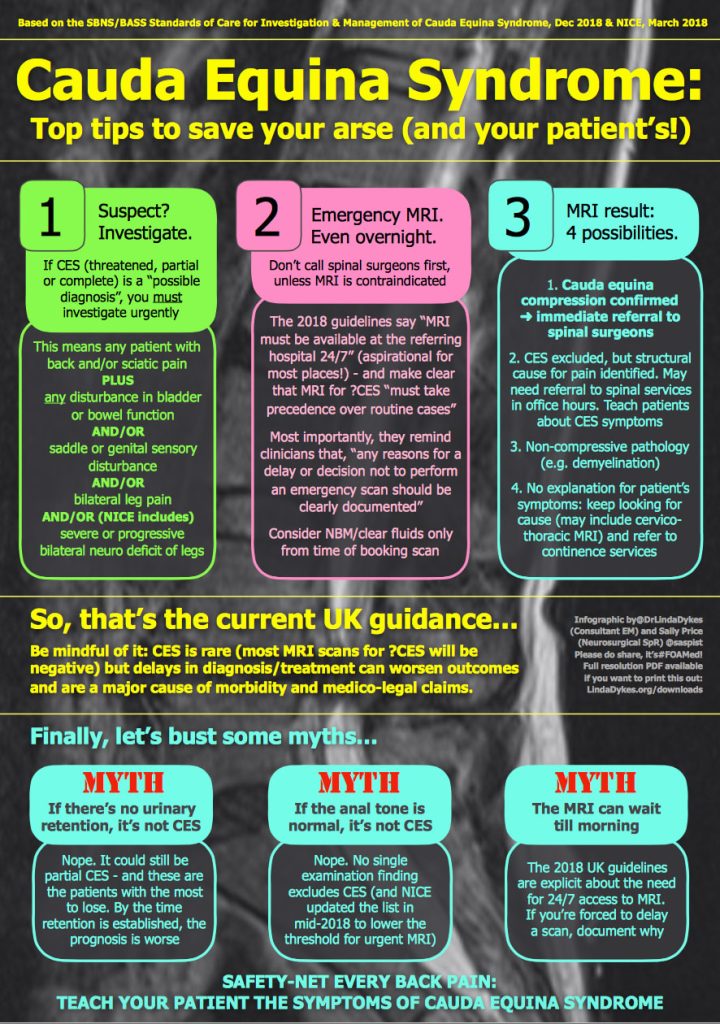
When to Seek Urgent Help
If back pain is accompanied by changes in bladder or bowel control, numbness in the saddle area, or sudden weakness in the legs, urgent medical assessment is needed.
Contact your GP, NHS 111, or attend your nearest Emergency Department.
Important
This information is intended as general guidance only and should not replace assessment or treatment from a qualified healthcare professional.